Ground shipping is currently paused. Local deliveries throughout Long Island will continue as usual. Pre-orders for fall are now open. Non-local orders will begin shipping again in early September. Click here to learn more.

Allium Mt. Everest – Onion

Additional information

Size

Common Name

Type

Family

Native?

Zone

4, 5, 6, 7, 8

Height Range (ft.)

3.00 to 4.00

Spread (ft.)

1.00 to 1.50

Bloom Time

,

Bloom Description

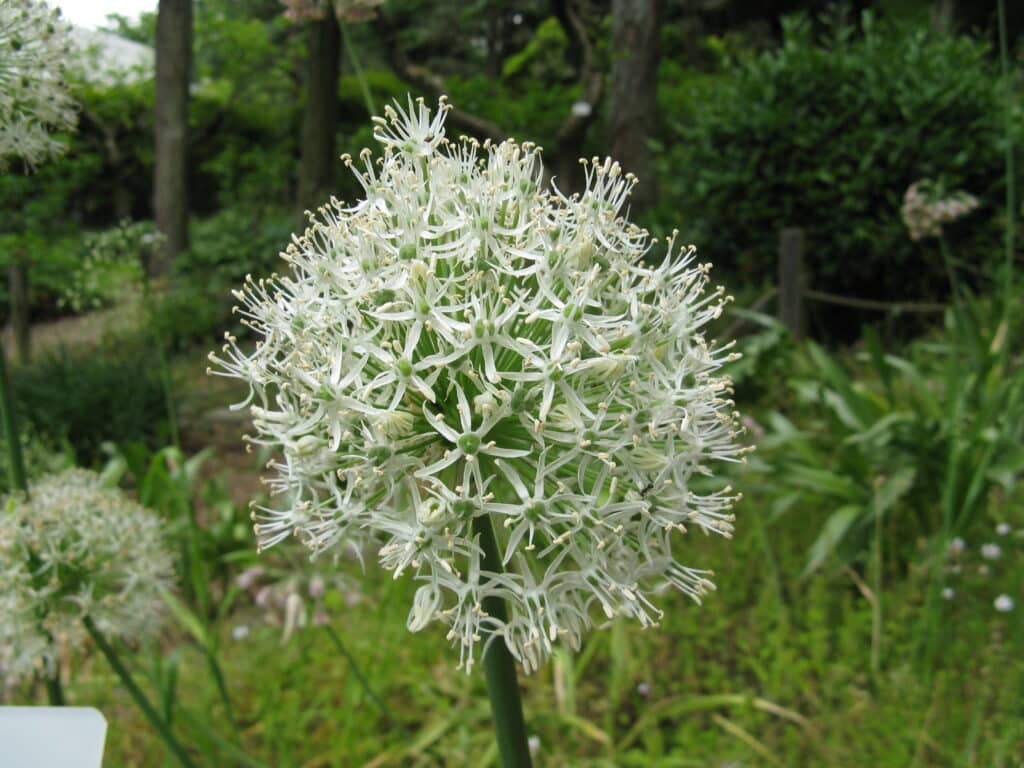
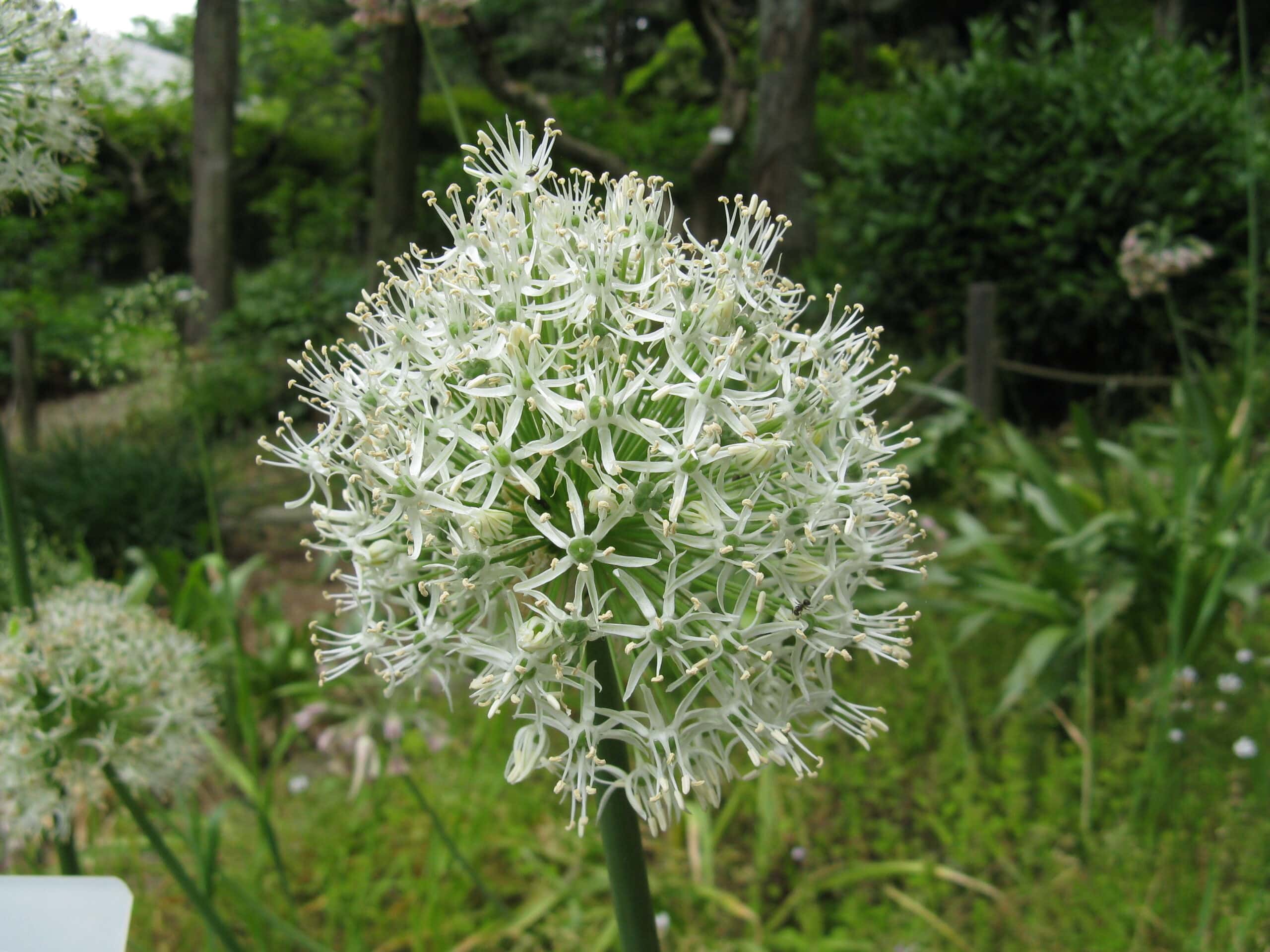
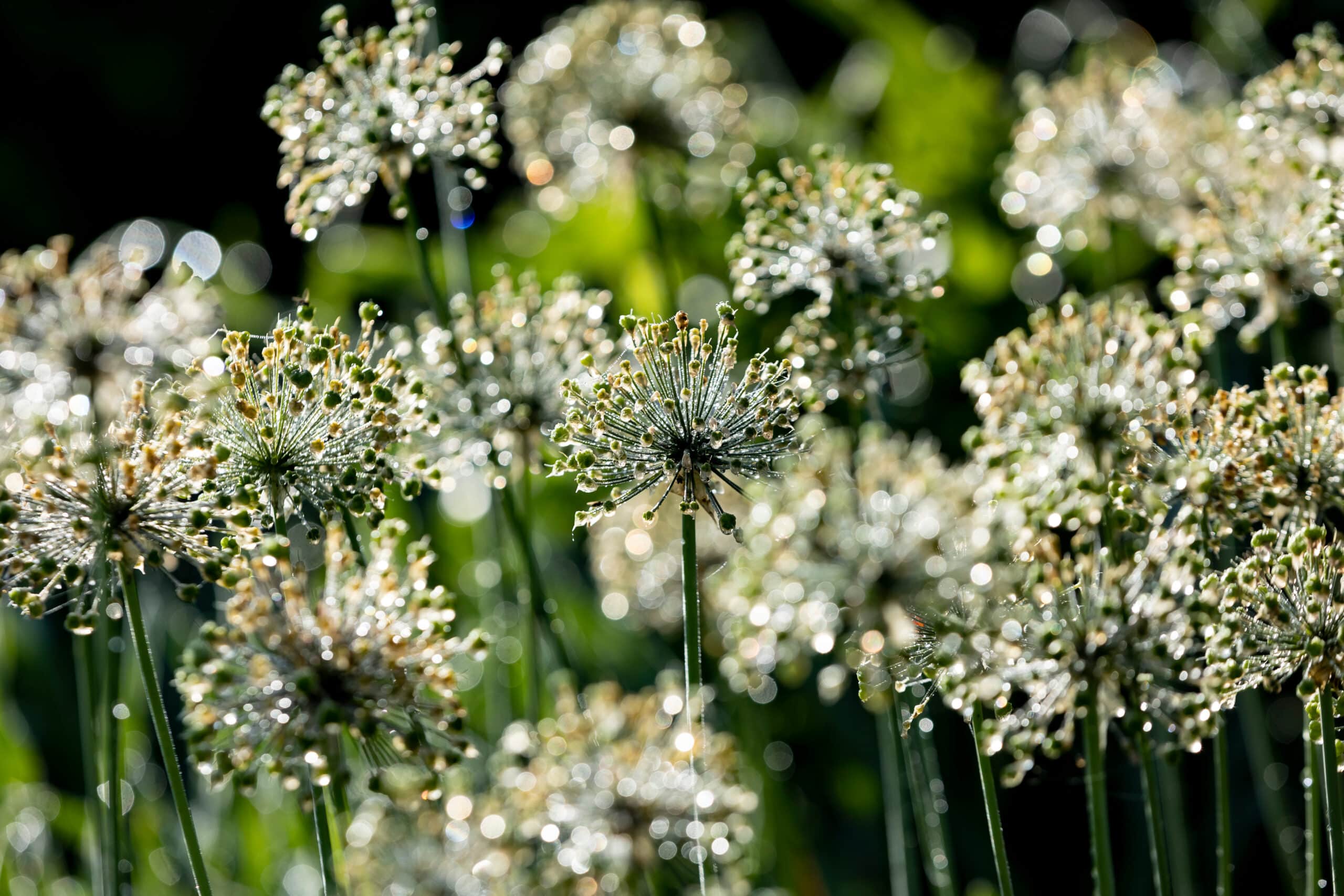
globe-shaped heads, large, pure white star-like flowers

Sun

Water

Maintenance

Suggested Use

, ,

Attracts

, ,

Growth Rate

You may like ...

Allium Mt. Everest – Onion

Tall ornamental allium with large white globe blooms in late spring. Drought tolerant, deer resistant, and ideal for bold accents in sunny garden beds.

$22.99

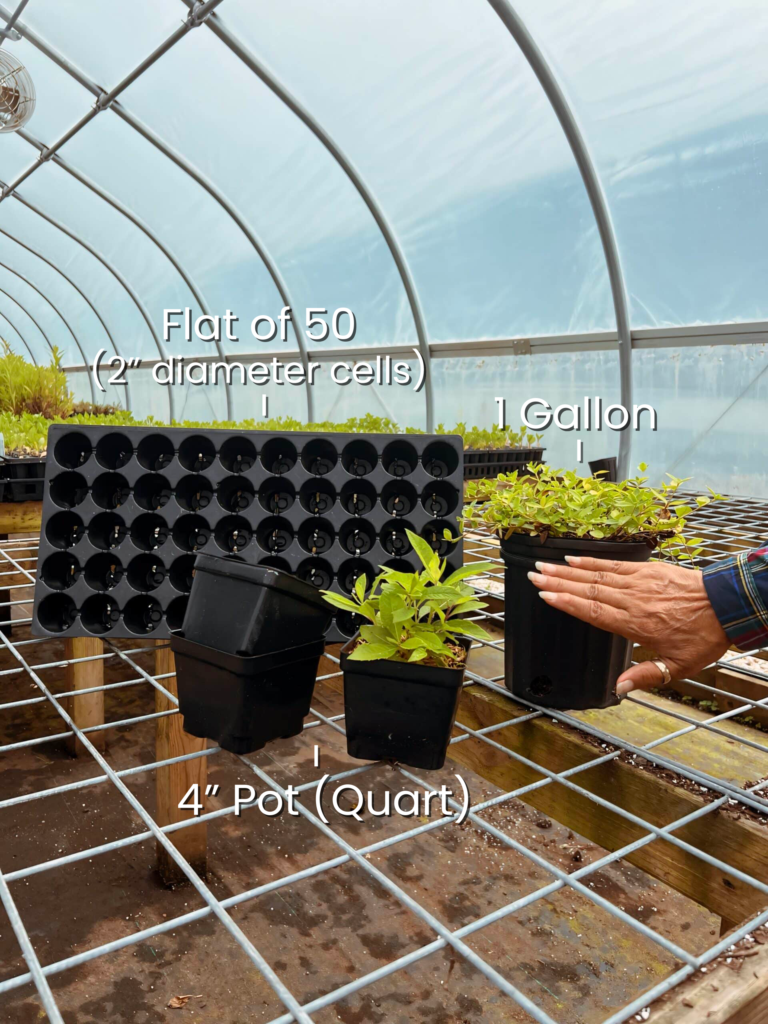
Please note: Sizes 1.5 Gallon and up can’t be shipped outside the counties of Nassau, Suffolk, and Queens.

Learn more about how the process works and how our plants are delivered.

You may like ...

Ground shipping is paused due to summer heat. Only local delivery (Long Island & Queens) is available. Orders placed during the pause will begin processing September 1, and ground shipping will resume September 15.

Click here to learn more.

Additional information

Size

Common Name

Type

Family

Native?

Zone

4, 5, 6, 7, 8

Height Range (ft.)

3.00 to 4.00

Spread (ft.)

1.00 to 1.50

Bloom Time

,

Bloom Description

globe-shaped heads, large, pure white star-like flowers

Sun

Water

Maintenance

Suggested Use

, ,

Attracts

, ,

Growth Rate

Product Description

Allium ‘Mount Everest’ is a striking ornamental onion cultivar known for its tall, elegant stems topped with large, spherical clusters of pure white, star-shaped flowers. Blooming in late spring to early summer, these globe-shaped blooms can reach 5 to 6 inches across, creating a bold vertical accent in borders and mixed plantings. Typically growing 3 to 4 feet tall, this bulb-forming perennial thrives in full sun and well-drained soils and is drought tolerant once established. The flowers attract pollinators, while the foliage and bulbs are generally avoided by deer.

Why choose Allium ‘Mount Everest’

  • Dramatic white blooms: Large spherical flower heads provide strong visual impact

  • Architectural height: Tall stems add structure to garden beds

  • Long-lasting flowers: Excellent for both fresh and dried floral arrangements

Cultivating tips

  • Sun exposure: Full sun produces strongest stems and best flowering

  • Soil needs: Prefers well-drained soils; avoid wet, heavy areas

  • Maintenance: Allow foliage to die back naturally to replenish bulbs

Designs for your garden

  • Focal points: Ideal for creating striking accents in borders

  • Mixed perennial beds: Pairs beautifully with grasses and late-spring bloomers

  • Modern landscapes: Spherical white flowers add clean architectural form

Ecological benefits

  • Pollinator-friendly: Blooms attract bees and other beneficial insects

  • Deer resistant: Scented bulbs and foliage are typically avoided by deer

  • Low-water plant: Performs well in dry, sunny sites once established

Looking for native alternatives?

Allium cernuum – Lady’s Leek: A native ornamental onion with nodding pink blooms, perfect for pollinator gardens and dry, sunny spots.
Liatris spicata – Blazing Star: A tall native perennial with dense purple flower spikes that attract butterflies and thrive in sunny, well-drained soils.
Echinacea purpurea – Purple Coneflower: A sturdy native wildflower with bold, daisy-like purple blooms loved by bees, butterflies, and songbirds.

Thanks for your review!

Your feedback helps us improve our service.

Please log in to submit a review.
Related Products

Allium Mt. Everest – Onion

$22.99
Frequently Asked Questions

How large does Allium ‘Mount Everest’ grow?

‘Mount Everest’ is a tall ornamental allium, growing 3 to 4 feet tall, with a spread of about 10 to 12 inches. It features sturdy, upright stems topped with large, spherical white flower heads that can reach 4 to 6 inches in diameter, rising above narrow, basal foliage.

When does Allium ‘Mount Everest’ bloom, and what do the flowers look like?

It blooms in late spring to early summer (typically May to June), producing pure white globe-shaped flower heads made up of dozens of tiny, star-like florets. These architectural blooms offer striking contrast when paired with other early summer perennials.

What are the ideal growing conditions for Allium ‘Mount Everest’?

‘Mount Everest’ thrives in full sun and requires well-drained soil—gravelly or sandy soils are ideal. It performs best in drier conditions and is drought-tolerant once established. Avoid planting in areas with soggy or compacted soils, especially in winter.

Is Allium ‘Mount Everest’ deer-resistant and low-maintenance?

Yes! Like most ornamental onions, ‘Mount Everest’ is deer- and rabbit-resistant due to its onion-scented foliage. It’s also low-maintenance—just plant the bulbs in fall, allow the foliage to die back naturally after blooming, and enjoy the low-fuss beauty it brings year after year.

Does ‘Mount Everest’ attract pollinators or provide wildlife value?

Absolutely! The nectar-rich flowers attract bees, butterflies, and other beneficial pollinators. Its long-lasting blooms also provide structure and visual interest in pollinator-friendly and formal gardens alike.

Looking for the perfect gift for the garden lover in your life?

Our gift cards make it easy to share the beauty of plants, flowers, and all things green. Whether for a special occasion or just because, give the gift of choice and let them select their favorites to create a garden they’ll cherish.

Only Local Delivery Available (Long Island & Queens)

Ground Shipping Paused

To protect our plants from extreme summer heat, we’ve paused nationwide ground shipping to avoid any damage during transit.

Local Delivery Only

We’re still delivering locally to Long Island and Queens, so nearby customers will continue to receive orders as usual.

Fall Pre-Orders Are Open Nationwide!

We will resume normal shipping for non-local orders placed during the pause in early September.

Thank you for your support and understanding—we’re looking forward to growing with you this fall!