Ground shipping is currently paused. Local deliveries throughout Long Island will continue as usual. Pre-orders for fall are now open. Non-local orders will begin shipping again in early September. Click here to learn more.

Andropogon virginicus – Broomsedge

Additional information

Size

, ,

Common Name

Family

Native?

Zone

5, 5b, 6, 7, 8, 8b, 9

Height Range (ft.)

2.00 to 4.00

Spread (ft.)

1.50 to 2.50

Bloom Time

, ,

Bloom Description

Airy Seed Heads, tall

Sun

,

Water

,

Maintenance

Suggested Use

, , ,

Tolerate

, , ,

Growth Rate

,

Attracts

You may like ...

Andropogon virginicus – Broomsedge

SKU N/A Categories , , Tag Brand:

Native warm-season grass adapted to dry, open sites. Low maintenance and valuable for meadows, restoration projects, and wildlife habitat.

Price range: $12.99 through $108.99

Please note: Sizes 1.5 Gallon and up can’t be shipped outside the counties of Nassau, Suffolk, and Queens.

Learn more about how the process works and how our plants are delivered.

You may like ...

Ground shipping is paused due to summer heat. Only local delivery (Long Island & Queens) is available. Orders placed during the pause will begin processing September 1, and ground shipping will resume September 15.

Click here to learn more.

Additional information

Size

, ,

Common Name

Family

Native?

Zone

5, 5b, 6, 7, 8, 8b, 9

Height Range (ft.)

2.00 to 4.00

Spread (ft.)

1.50 to 2.50

Bloom Time

, ,

Bloom Description

Airy Seed Heads, tall

Sun

,

Water

,

Maintenance

Suggested Use

, , ,

Tolerate

, , ,

Growth Rate

,

Attracts

Product Description

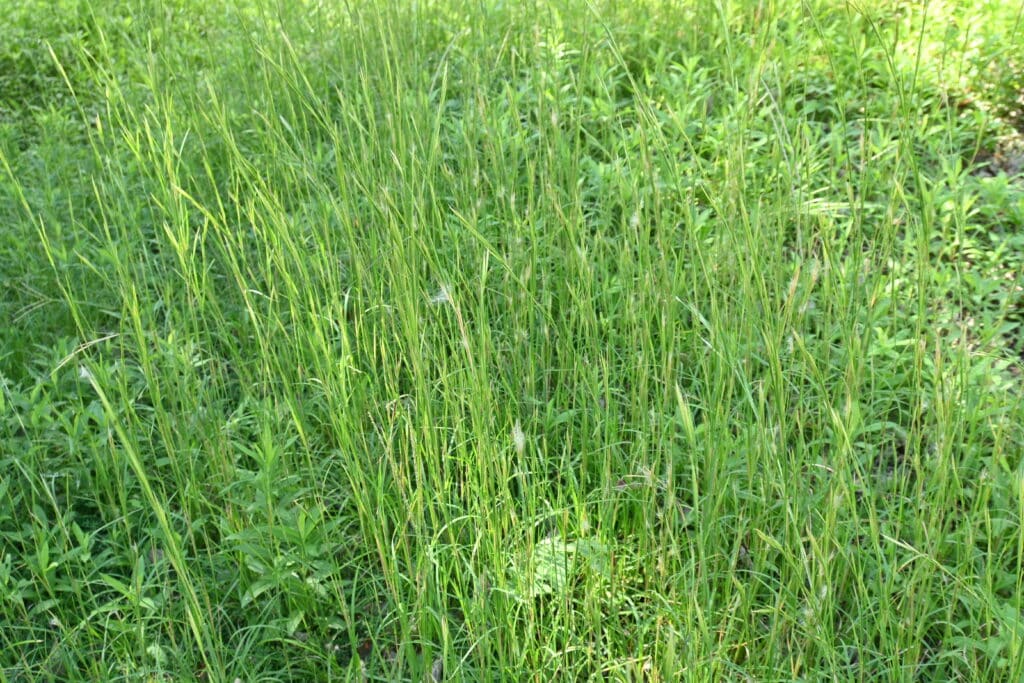
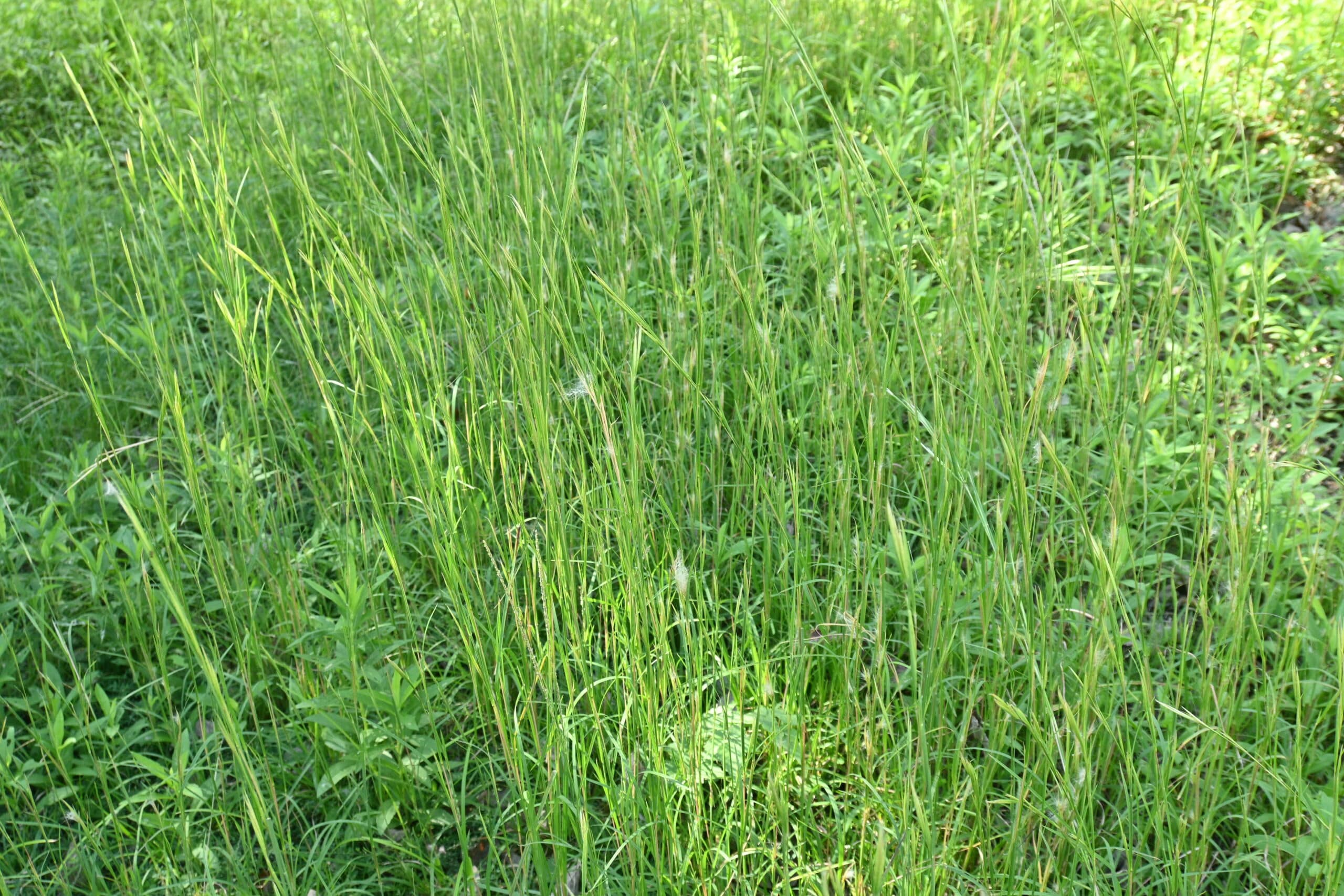
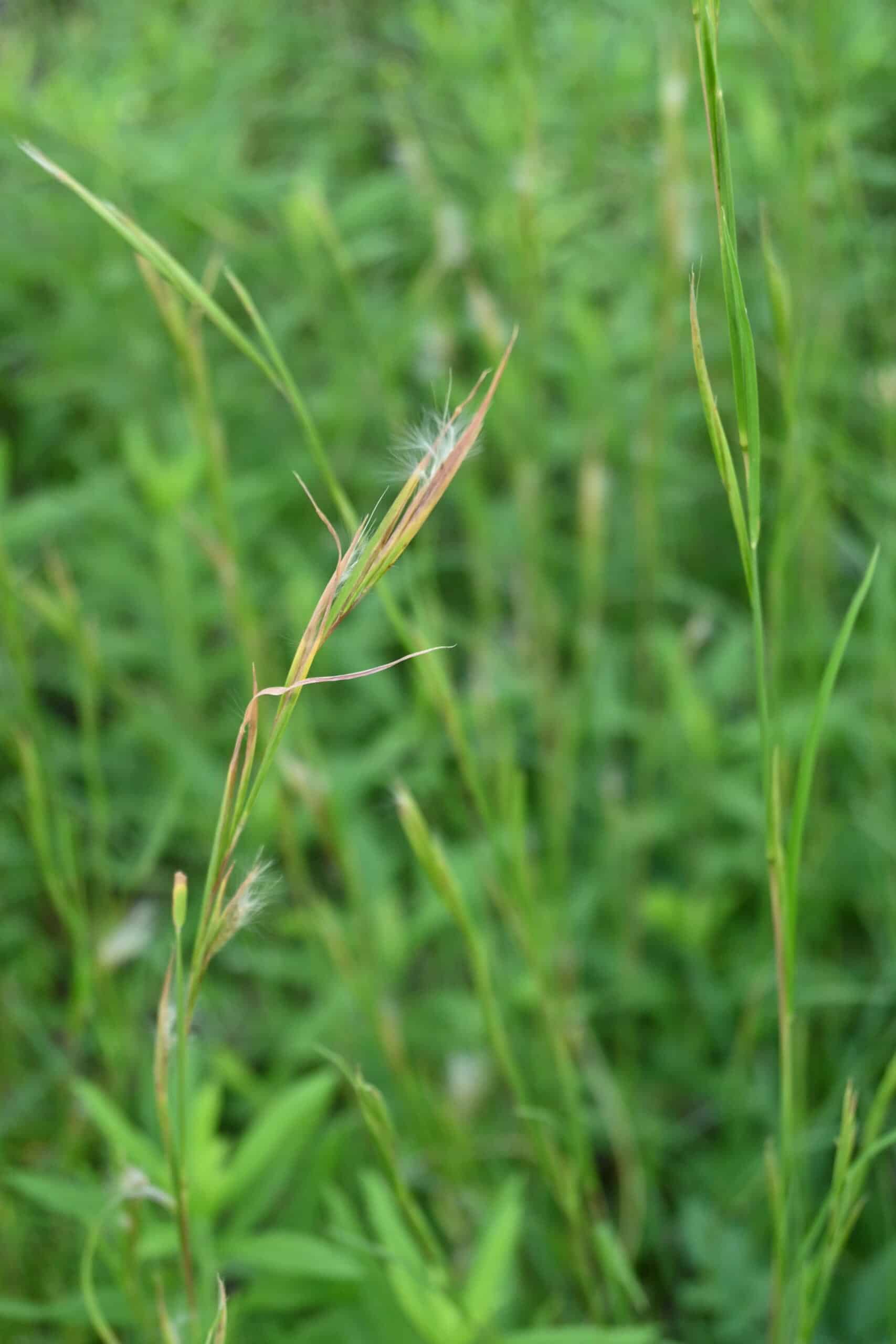
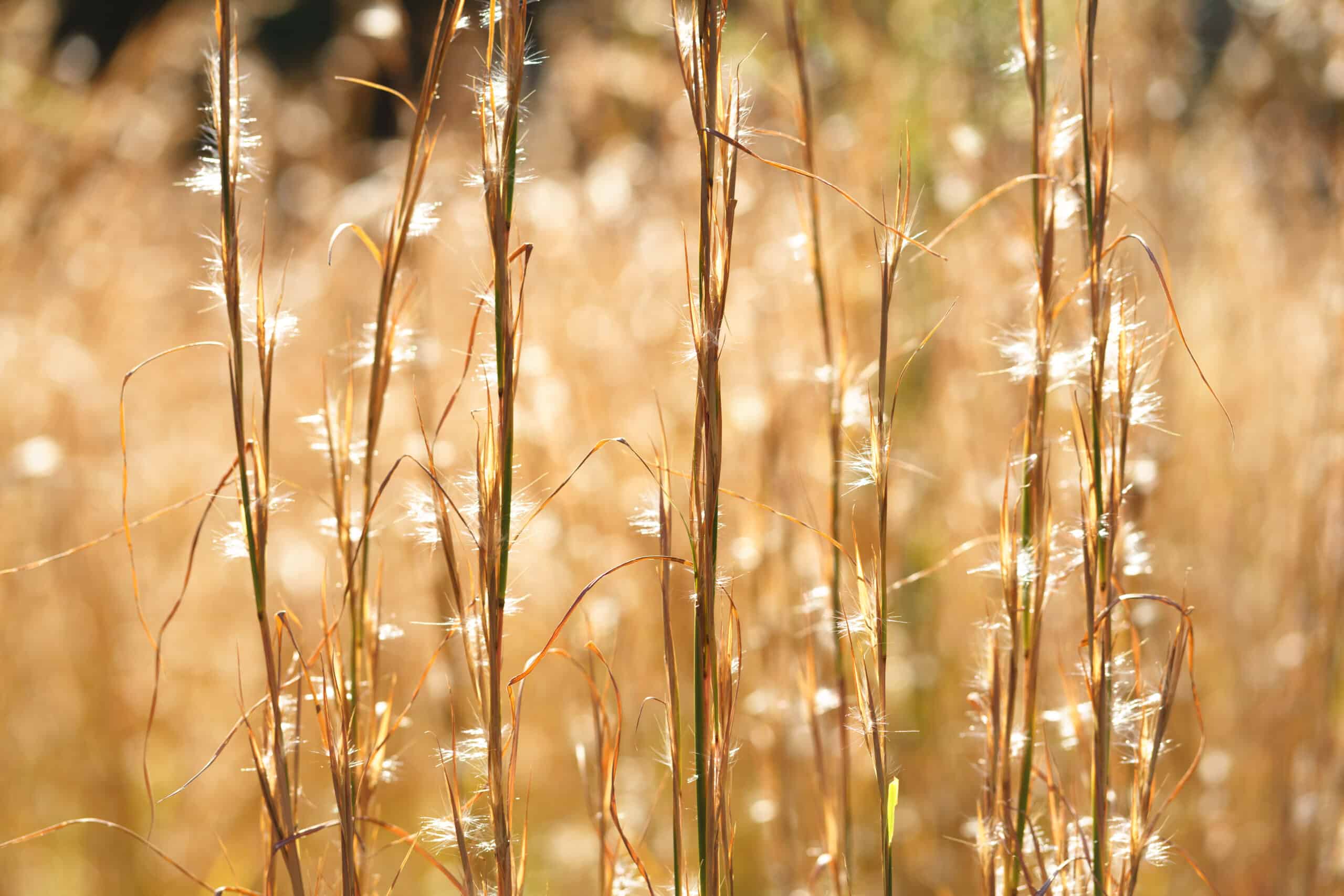
Andropogon virginicus, commonly known as Broomsedge, is a native warm-season grass found throughout much of the eastern and central United States. This upright, clump-forming grass typically grows 2 to 4 feet tall and is well adapted to dry, open sites and low-fertility soils. Broomsedge thrives in full sun and is often used in naturalized landscapes, meadows, and restoration plantings where minimal maintenance is desired. While modest in appearance, it plays an important ecological role by supporting native insects and providing structure and habitat in grassland ecosystems.

Why choose Broomsedge

  • Native grass: Naturally occurs across much of the eastern and central U.S.

  • Tough and adaptable: Performs well in dry, poor, or compacted soils

  • Low maintenance: Requires little care once established

Cultivating tips

  • Sun exposure: Full sun is essential for healthy growth

  • Soil needs: Prefers dry to moderately moist soils; tolerates low fertility

  • Maintenance: Low—cut back in late winter or early spring before new growth

Designs for your garden

  • Naturalized plantings: Ideal for meadows and open landscapes

  • Restoration projects: Commonly used in grassland and roadside restorations

  • Large-scale plantings: Provides structure in low-input environments

Ecological benefits

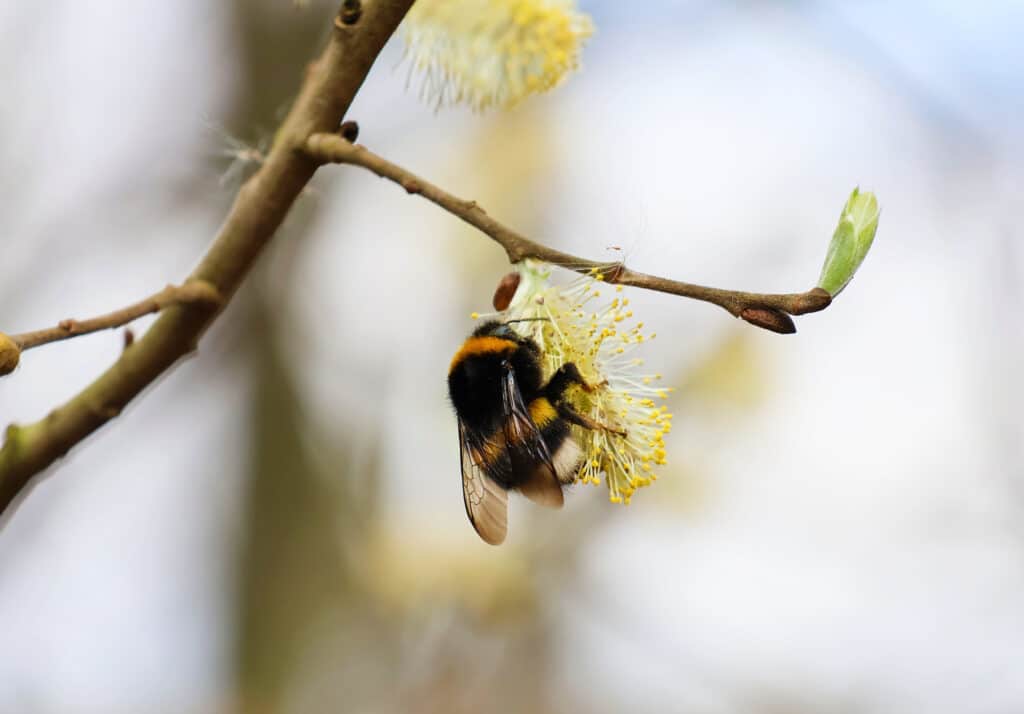
  • Pollinator support: Serves as a host plant for native butterflies and beneficial insects

  • Native value: Contributes to grassland biodiversity

  • Wildlife habitat: Provides cover and nesting material for birds and small animals

Thanks for your review!

Your feedback helps us improve our service.

Please log in to submit a review.
Related Products

Andropogon virginicus – Broomsedge

Price range: $12.99 through $108.99
Frequently Asked Questions

What growing conditions does Broomsedge prefer?

Broomsedge thrives in full sun and is highly adaptable to poor, dry, sandy, or rocky soils. It prefers well-drained sites and does not need rich soil or much fertilizer. It’s an excellent choice for low-maintenance, drought-tolerant plantings or restoration projects.

How large does Broomsedge grow?

Broomsedge typically grows to about 2–4 feet tall and 1.5–2 feet wide. It forms attractive upright clumps of narrow, greenish-blue blades that turn striking golden-orange to copper in fall and winter, adding beautiful year-round interest to naturalized gardens.

Is Broomsedge good for wildlife?

Yes! Broomsedge provides important habitat and cover for small mammals, birds, and insects. Its seeds offer food for birds, and its dense growth structure offers shelter for wildlife, especially in the colder months when many other plants have died back.

When does Broomsedge bloom and what does it look like?

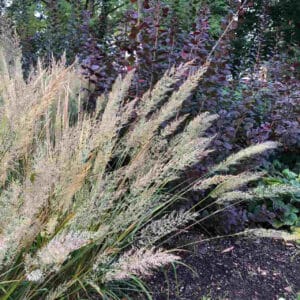
Broomsedge blooms in late summer to early fall. It produces small, fluffy seedheads that catch the light and add a soft, feathery texture to gardens and meadows. Its brilliant fall color makes it highly ornamental at a time when many other plants are fading.

Is Broomsedge deer-resistant?

Yes, Broomsedge is considered deer-resistant. Its tough, wiry texture and low nutritional value make it unappealing to deer, making it a solid choice for landscapes facing deer browsing pressure.

Looking for the perfect gift for the garden lover in your life?

Our gift cards make it easy to share the beauty of plants, flowers, and all things green. Whether for a special occasion or just because, give the gift of choice and let them select their favorites to create a garden they’ll cherish.

Only Local Delivery Available (Long Island & Queens)

Ground Shipping Paused

To protect our plants from extreme summer heat, we’ve paused nationwide ground shipping to avoid any damage during transit.

Local Delivery Only

We’re still delivering locally to Long Island and Queens, so nearby customers will continue to receive orders as usual.

Fall Pre-Orders Are Open Nationwide!

We will resume normal shipping for non-local orders placed during the pause in early September.

Thank you for your support and understanding—we’re looking forward to growing with you this fall!