Ground shipping is currently paused. Local deliveries throughout Long Island will continue as usual. Pre-orders for fall are now open. Non-local orders will begin shipping again in early September. Click here to learn more.

Celtis occidentalis – Common Hackberry

Additional information

Size

,

Common Name

Type

Family

Native?

Zone

3, 4, 5, 5b, 6, 7, 8, 8b, 9

Height Range (ft.)

40 to 60

Spread (ft.)

30 to 50

Bloom Time

,

Bloom Description

Greenish, inconspicuous flowers, Small

Sun

,

Water

Maintenance

Suggested Use

, , ,

Tolerate

, ,

Growth Rate

,

Attracts

, ,

You may like ...

Celtis occidentalis – Common Hackberry

SKU N/A Categories ,

Common Hackberry is a native shade tree known for its adaptability, distinctive bark, and strong wildlife value.

Price range: $21.99 through $149.99

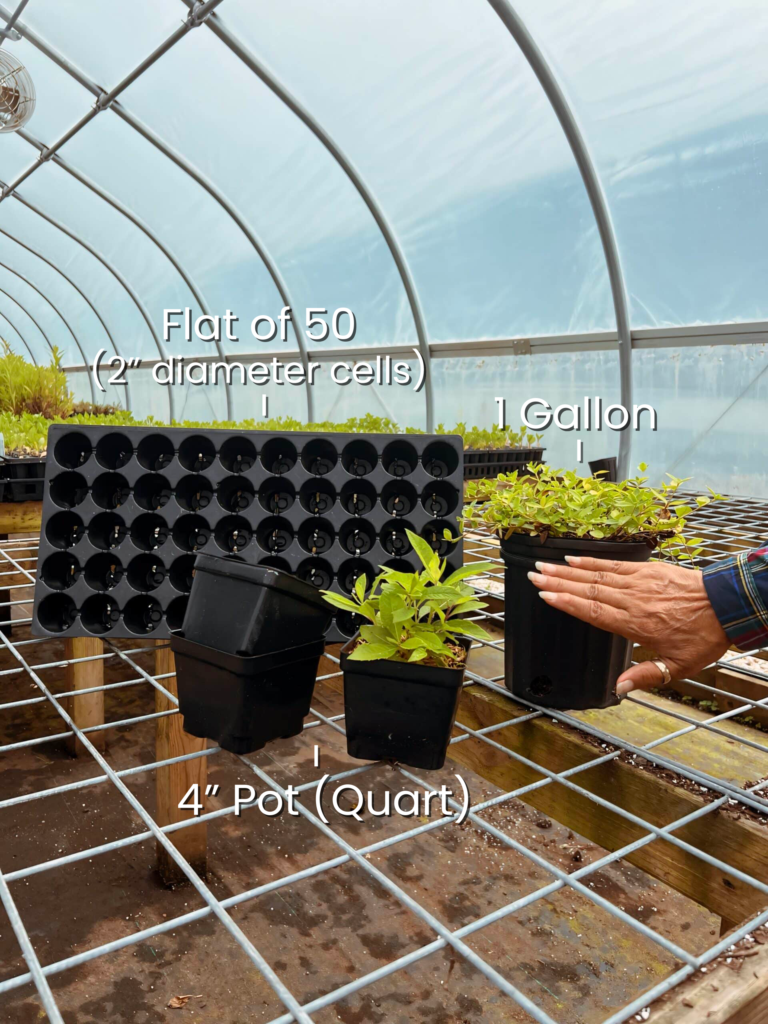
Please note: Sizes 1.5 Gallon and up can’t be shipped outside the counties of Nassau, Suffolk, and Queens.

Learn more about how the process works and how our plants are delivered.

You may like ...

Ground shipping is paused due to summer heat. Only local delivery (Long Island & Queens) is available. Orders placed during the pause will begin processing September 1, and ground shipping will resume September 15.

Click here to learn more.

Additional information

Size

,

Common Name

Type

Family

Native?

Zone

3, 4, 5, 5b, 6, 7, 8, 8b, 9

Height Range (ft.)

40 to 60

Spread (ft.)

30 to 50

Bloom Time

,

Bloom Description

Greenish, inconspicuous flowers, Small

Sun

,

Water

Maintenance

Suggested Use

, , ,

Tolerate

, ,

Growth Rate

,

Attracts

, ,

Product Description

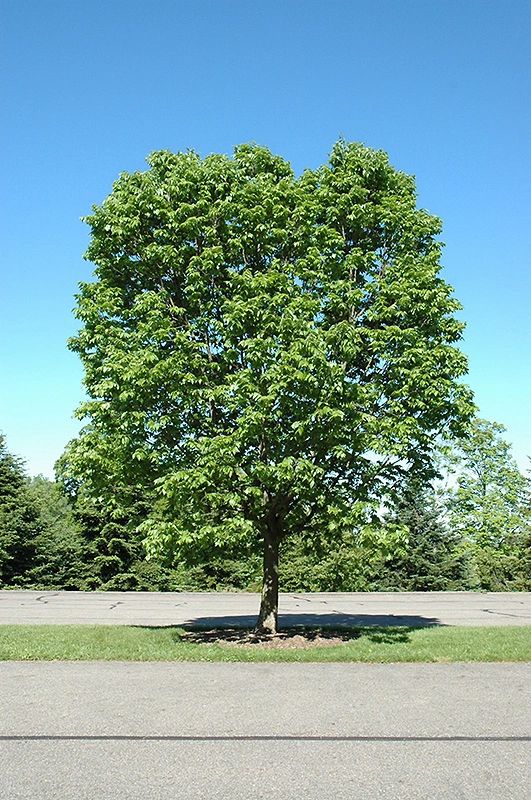
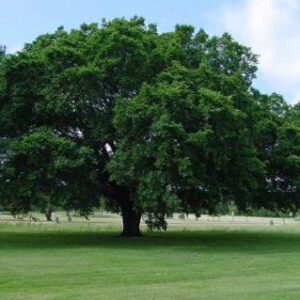
Celtis occidentalis, commonly known as Common Hackberry, is a native deciduous tree valued for its toughness, adaptability, and strong wildlife value. This medium to large shade tree typically grows 40 to 60 feet tall with a rounded crown, making it well suited for large residential landscapes, parks, and naturalized plantings.

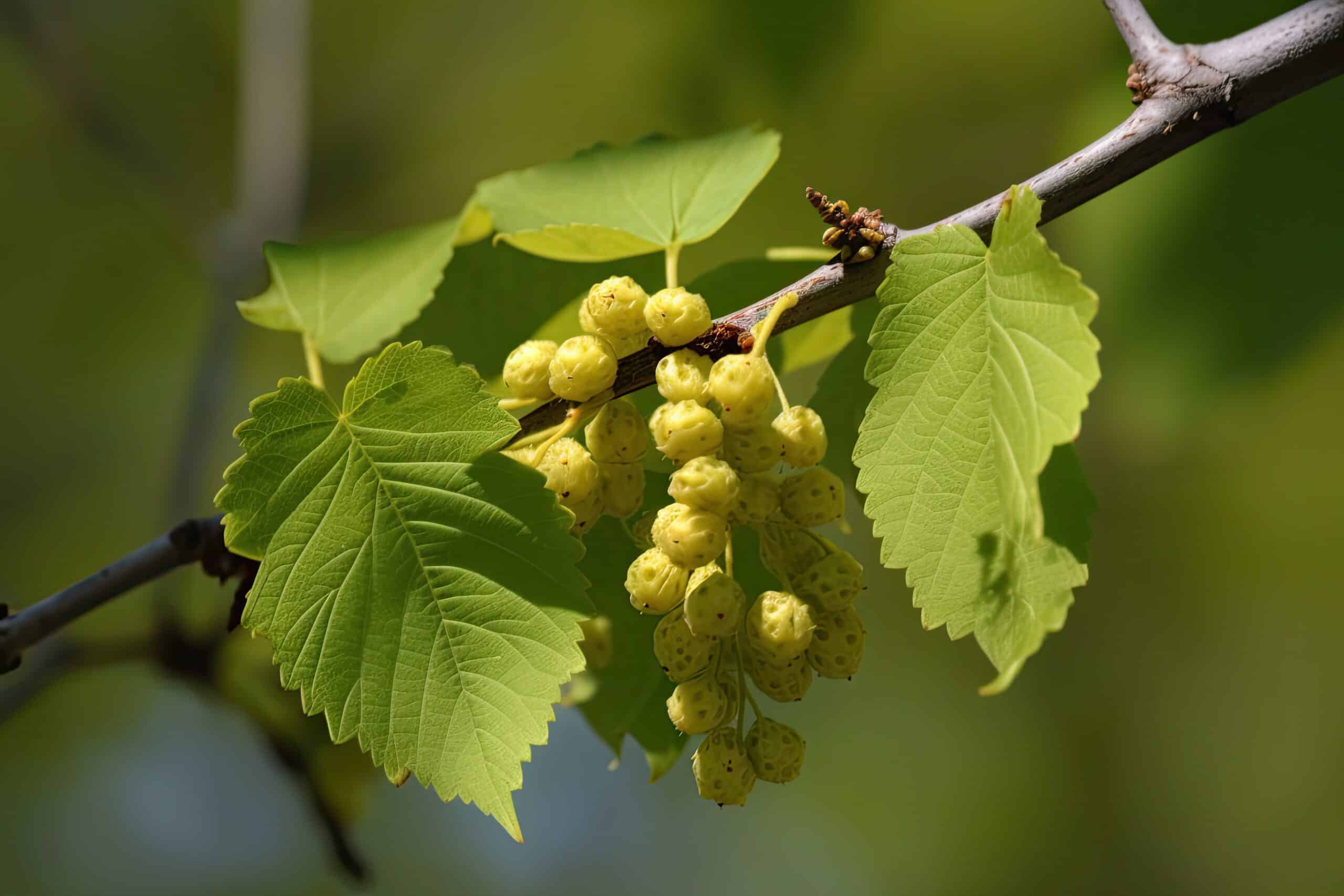
The bark is distinctive, developing corky, warty ridges that add year-round texture and visual interest. Green, serrated leaves form a dense summer canopy, providing shade and shelter. In late summer to fall, small purple-brown berries develop and are readily eaten by birds and other wildlife, extending the tree’s ecological usefulness beyond the growing season.

Common Hackberry grows best in full sun to part shade and tolerates a wide range of soil conditions, including clay, drought, and urban stress. Its resilience and low maintenance needs make it a dependable choice for challenging sites where other trees may struggle.

Why choose Common Hackberry

Highly adaptable: Tolerates poor soils and urban conditions
Wildlife value: Fruits support birds and other animals
Durable shade tree: Performs reliably with minimal care

Cultivating tips

Sun exposure: Full sun to part shade
Soil needs: Adaptable to most soils
Maintenance: Low—minimal pruning once established

Designs for your garden

Shade trees: Provides broad canopy and cooling shade
Naturalized landscapes: Fits well in native and woodland plantings
Urban sites: Handles compacted soils and environmental stress

Ecological benefits

Native tree: Supports local ecosystems and food webs
Bird support: Fruits provide an important food source
Low-input plant: Thrives with minimal maintenance

Plant appearance may vary by season and growing conditions. All plants ship healthy with established root systems.

Thanks for your review!

Your feedback helps us improve our service.

Please log in to submit a review.
Related Products

Celtis occidentalis – Common Hackberry

Price range: $21.99 through $149.99
Frequently Asked Questions

Is Common Hackberry native to the United States?

Yes. Celtis occidentalis is native to a wide range of the United States, primarily throughout the Midwest, Great Plains, and eastern regions. It’s a hardy, adaptable native tree that plays a valuable role in supporting local ecosystems.

How large does Common Hackberry grow?

Common Hackberry is a medium to large deciduous tree, typically growing 40 to 60 feet tall and 30 to 50 feet wide, though it can reach up to 100 feet under ideal conditions. It has a broad, spreading crown and is commonly used as a shade tree or street tree.

What are the ideal growing conditions for Hackberry?

Hackberry thrives in full sun and is tolerant of a wide range of soil types, including poor, dry, clay, or alkaline soils. It is drought-tolerant, wind-tolerant, and performs well in urban environments. It is hardy in USDA zones 3 through 9.

Does Hackberry produce fruit?

Yes. Hackberry trees produce small, dark purple berry-like drupes in late summer to fall. These fruits are edible for wildlife and humans, with a sweet, date-like flavor, although the hard seed inside makes them less commonly consumed by people.

Is Hackberry good for pollinators and wildlife?

Absolutely. Hackberry is a host plant for several butterfly species, including the Hackberry Emperor and Tawny Emperor. Its fruit is eaten by birds and small mammals, and the tree provides excellent shelter and nesting habitat for a variety of wildlife, making it highly beneficial for biodiversity.

Looking for the perfect gift for the garden lover in your life?

Our gift cards make it easy to share the beauty of plants, flowers, and all things green. Whether for a special occasion or just because, give the gift of choice and let them select their favorites to create a garden they’ll cherish.

Only Local Delivery Available (Long Island & Queens)

Ground Shipping Paused

To protect our plants from extreme summer heat, we’ve paused nationwide ground shipping to avoid any damage during transit.

Local Delivery Only

We’re still delivering locally to Long Island and Queens, so nearby customers will continue to receive orders as usual.

Fall Pre-Orders Are Open Nationwide!

We will resume normal shipping for non-local orders placed during the pause in early September.

Thank you for your support and understanding—we’re looking forward to growing with you this fall!